
Category Archives: Photographers

Searching for a coronavirus icon

From the Aug. 3, 2020 edition of  Columbia Journalism Review: 

The Great Depression had “Migrant Mother,” and World War II “Raising the Flag on Iwo Jima.” The aids crisis had “The Face of aids,” depicting the death of David Kirby; 9/11 had “Falling Man”; and the war in Syria has Alan Kurdi. But now, with the country in hibernation, and hospital patients largely off limits, how can photographers give meaning to the incomprehensible numbers? 

In an interview, Pulitzer Prize winning photographer David Hume Kennerly  says (among other things):

I know the people who took the greatest photographs ever. Eddie Adams’s “Saigon Execution,” Nick Ut’s “Napalm Girl,” Joe Rosenthal of the Iwo Jima flag raising. And those are pictures that are forever in your heart and soul. And we don’t have that moment right now.

A perfect recent example of the power of the image in a situation like this would be the Syrian refugee kid on the beach. Or the El Salvadorean father and child who had drowned trying to cross the border river. I don’t think one of those kinds of images has been made yet showing the impact of the coronavirus plague. A majority of people are dying in nursing homes and hospitals. It’s a medical atmosphere.
 

A photographer’s career collection

Original URL from Roanoke Times

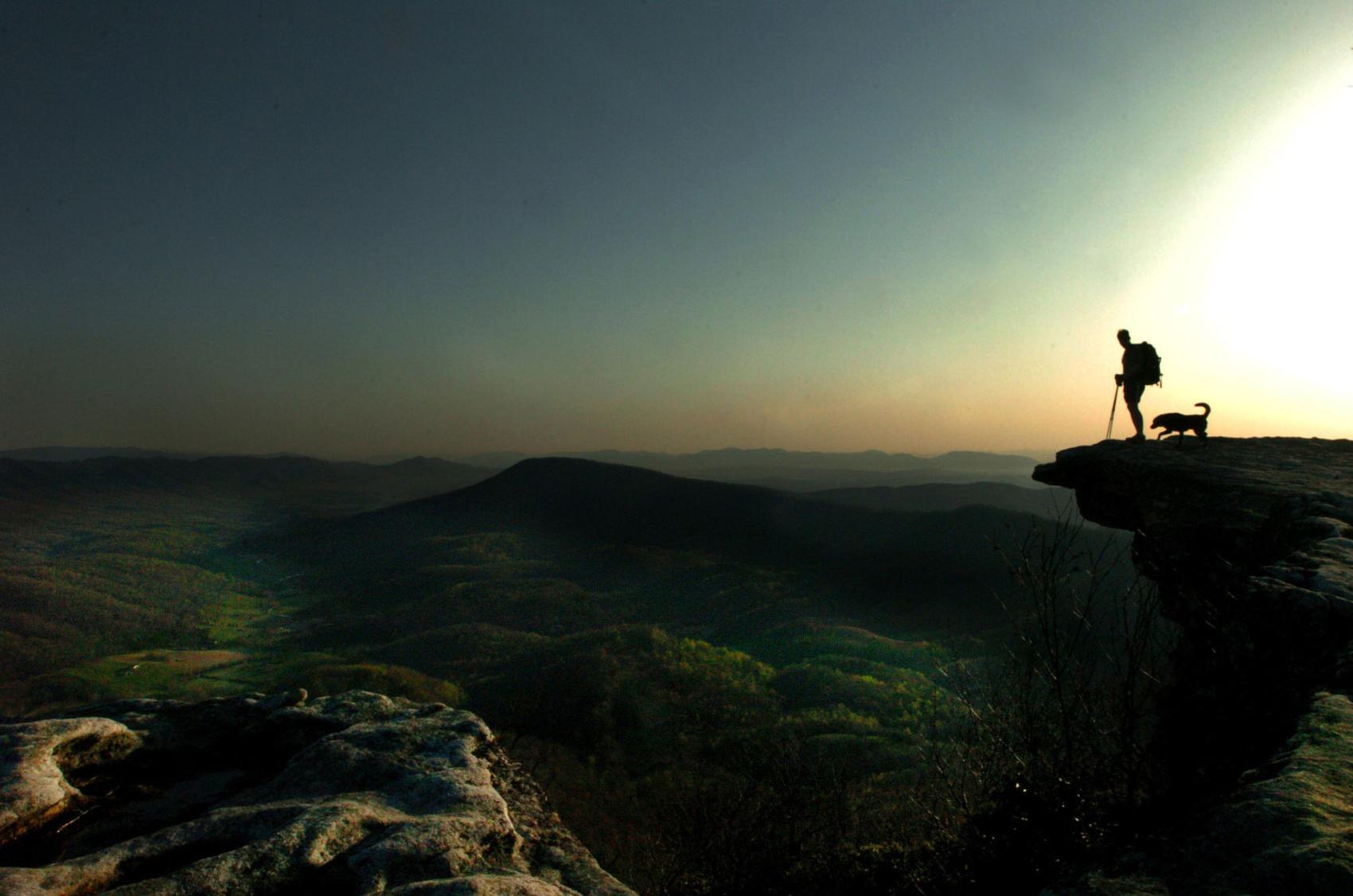
David Nova, then president and CEO of Planned Parenthood of the Blue Ridge, took a training hike up McAfee’s Knob while preparing for a 5-month journey of the 2,560-mile Pacific Crest Trail.

Stephanie Klein Davis  was a Roanoke Times photographer for 33 years and is moving on in the summer of 2020.

You would expect some great work in a career of photography, but honestly, some of these are just stunning.

Take a look here:

https://roanoke.com/gallery/stephanie-klein-davis-a-look-back/collection_66920f10-5f36-58e6-bf53-7cc90963bf7f.html


Digital imaging and visual communication

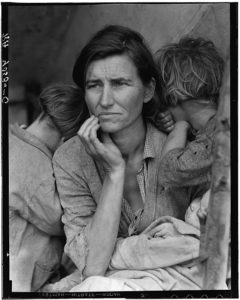
Migrant Mother, 1936, by Dorothea Lange

Images surround us in daily life. They inspire us, warn us, persuade us, and constantly compete for our attention. We don’t remember most of them, but some of them seem to stick with us. What is it that makes an image memorable or persuasive? How does a strong image appeal to our common psychological  foundations? And,  for  example,  why  does this  image  by  Dorothea  Lange  stand  out  from  the  others  she  took  the  same  day  in  1937?  (The others are in the header, above).

It seems simple to begin with, but there are complex processes going on beneath the surface.

Visual communication is the original form of mass communication, going back long before the introduction of writing.  Symbols formed the basis of written language.

These symbols and archetypes can be traced even further back, as a basis of human psychology, bound up in   pre-historic memories. As we begin to ask questions about the power and social impact of visual imagery, we open a need to understand more about its physiological, psychological, historical, technical, aesthetic and ethical roots.

When we look at the work of  great artists, designers, photographers, or filmmakers, we find that their work portrays some human emotion or a view of the human condition in a way that reaches into our own emotional systems and resonates at some depth. The question is how that takes place, and there is no one particular right answer, because visual communication is essentially about art and emotions, not science and logic.

Digna.gallery

Taking time lapse photos of a woman making a traditional Digna in the Covington art gallery at RU.

The study of visual communication usually begins with the basic physiological and psychological foundation of vision and perception. Another area of study incorporates aesthetic theories to help evaluate visual communication. A course in visual communication can also introduce practical skills and a set of methods for thinking about visual communication issues.

Walker Evans interview

Walker Evans, the eminent American photographer, who taught photography at Yale until his retirement several years ago, talks informally with today’s students about his life, his art and the mysteries of the creative process…Evans.family

“Part of a photographer’s gift should be with people. You can do some wonderful work if you know how to make people understand what you’re doing and feel all right about it, and you can do terrible work if you put them on the defense, which they all are at the beginning. You’ve got to take them off their defensive attitude and make them participate.”

You talk about yourself rebelling against the Establishment and about the misfortunes of Depression times, but your photographs are not critical. I find them more of a glorification—glorification of the plain and simple reality. Continue reading