In a new interpretation of longstanding rules released Jan. 21, 2026, the Trump administration’s Federal Communications Commission said that Section 315 “Equal Time Rule” requirements for news talk programs are in effect unless there is an exemption, which Stephen Colbert does not have.
Under the rule, broadcast media must provide equal time for all politicians running for the same office. If an interview is aired with a democratic candidate for an office, a similar interview with republican and independent candidates must also be aired.
The rule was widely interpreted as applying only to advertising, since strict application of US Title 47 Section 315 to news interviews on talk shows would create editorial chaos.
That’s why the law exempts bona-fine news programs and talk shows from the rule. Historically, only a very few talk shows have applied for exemptions; apparently, the last two were Anderson Cooper in 2011 and a California talk show in 2006. These two cases were considered as examples of a de-facto blanket rule that left talk show editorial decisions to the broadcasters.
What’s new is that now in 2026, the Trump FCC is changing the rule’s interpretation and applying pressure on CBS:
Concerns have been raised that the industry has taken the Media Bureau’s 2006 staff-level decision to mean that the interview portion of all arguably similar entertainment programs— whether late night or daytime—are exempted from the section 315 equal opportunities requirement under a bona fide news exemption. This is not the case. As noted above, these decisions are fact specific and the exemptions are limited to the program that was the subject of the request.
Attorneys with the CBS network told the Late Show with Stephen Colbert that they were running afoul of the law simply by having politicians on the show. Colbert says that CBS ordered him not to air an interview with James Talarico, a democratic candidate for a US Senate seat in Texas. So the interview was placed on YouTube, which does not fall under the same broadcast media regulations.
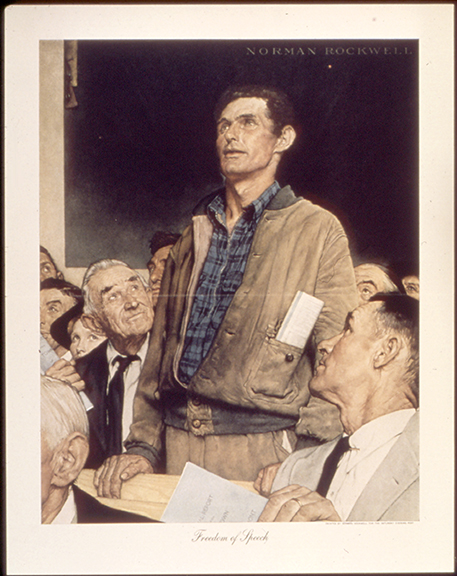
Anna M. Gomez, an FCC commissioner appointed by President Joe Biden in 2023, condemned the censorship of the Colbert show “This is yet another troubling example of corporate capitulation in the face of this Administration’s broader campaign to censor and control speech,” Gomez said.
Republican-appointed FCC commissioners Brendan Carr and Olivia Trusty supported the new interpretation of the rules.